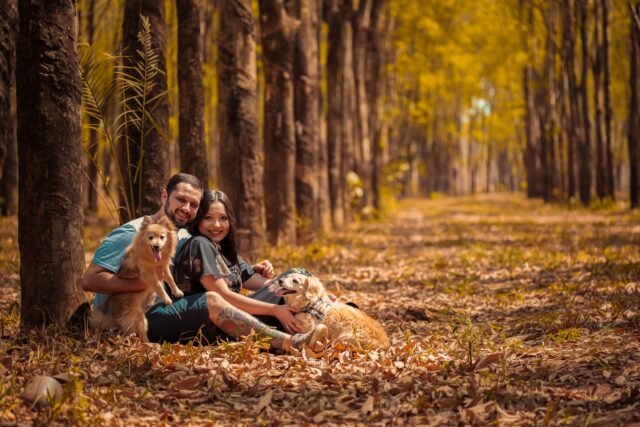
If you’ve ever come home after a long day and been greeted by a dog wagging its tail, jumping with excitement, or running straight into your arms, you’ve probably wondered: Does my dog really love me?
For pet lovers, the answer might seem obvious. We see it in the little things: the excitement when we walk through the door, the way they follow us from room to room, and how they seem to know when we need a little extra comfort.
But what does science actually say about the love dogs feel for their humans?
On an episode of fetchlove, Sheryl Matthys, pet lovers dating coach and founder of FetchaDate, sits down with Clive Wynne, professor of psychology, canine science researcher, and author of Dog Is Love, to explore one of the biggest questions every dog lover has.
And his answer is reassuring: Yes, dogs really do love us.
But the science behind that love is even more fascinating than you might expect.
1. Dogs Experience a Different Kind of Love
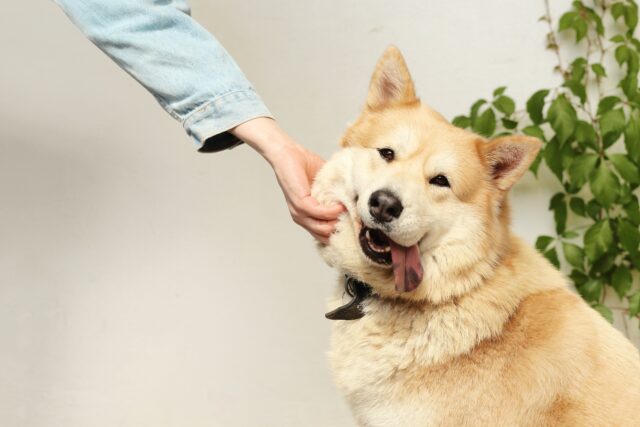
When we talk about love, we often think about romantic relationships. But according to Clive Wynne, the love dogs feel for their humans is closer to the bond between parents and children.
It’s not romantic love or attraction. It’s a powerful emotional attachment built through connection, trust, and companionship.
As Clive explains, dogs develop a genuine pull toward the people they live with. It’s not simply about receiving food, shelter, or treats. There’s a real bond that develops between a dog and its human.
And perhaps that’s what makes the relationship so special. Dogs don’t need grand gestures or perfect words to show affection. Their connection often comes through everyday moments that pet parents recognize immediately.
2. Your Dog Might Love You More Than Food
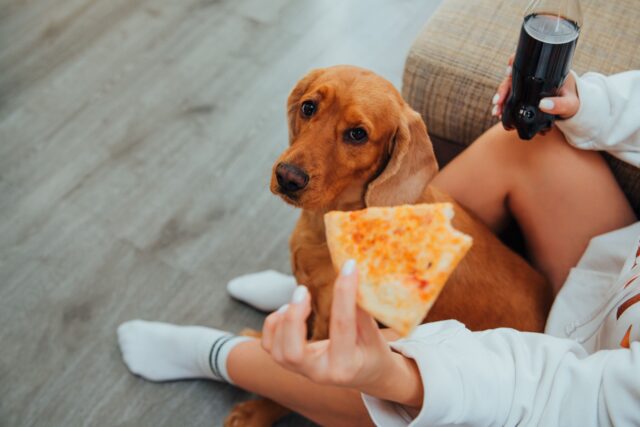
Here’s something that might surprise you: Some dogs may actually find seeing their favorite human more rewarding than getting food.
During the interview, Clive discussed brain-scanning research in which dogs were trained to lie still inside brain scanners. Researchers showed them signals indicating either that they were about to receive food or that their beloved human was nearby.
The results were fascinating.
The reward centers of the dogs’ brains became active in response to both signals. In many dogs, the response to seeing their human was just as strong, or even stronger, than the response to anticipating food.
One area involved is called the nucleus accumbens, commonly associated with the brain’s reward system.
Of course, Clive points out that not every dog responds the same way. Some dogs might still choose the sausage!
But for many dogs, their human is a reward in itself.
So the next time your dog runs toward you instead of the treat in your hand, remember that there may be more happening behind those excited eyes than you realize.
3. Is Your Dog Attached to You or Just Waiting for a Treat?
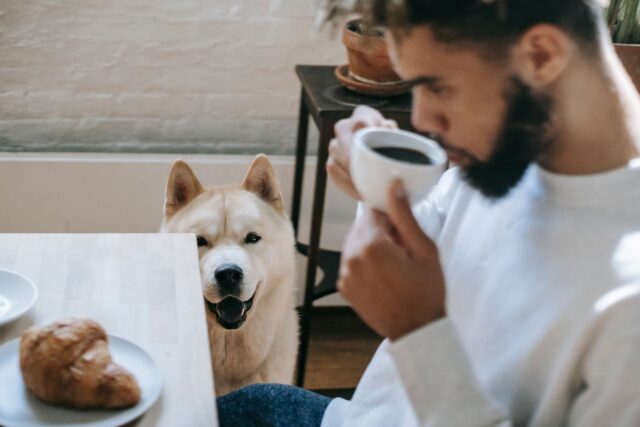
It’s a question many dog owners have probably asked themselves.
Does my dog love me, or does my dog just love what I provide?
Clive explains that love and receiving good things are not necessarily separate. Even in human relationships, the people we love often bring happiness, comfort, and positive experiences into our lives.
The same applies to dogs.
Yes, providing food, care, and affection contributes to the relationship. But that doesn’t make their attachment any less genuine.
Clive shares an expression his mother used to say: “Cupboard love.” It describes the idea that a dog only loves you because you’re the person providing food.
But he challenges that assumption.
A dog’s connection with its human goes beyond what’s in the food bowl. It’s a bond that develops over time through shared experiences and companionship.
In other words, your dog isn’t simply staying because you have treats. Your relationship means something more.
4. Are We Misunderstanding Our Dogs’ Love Language?
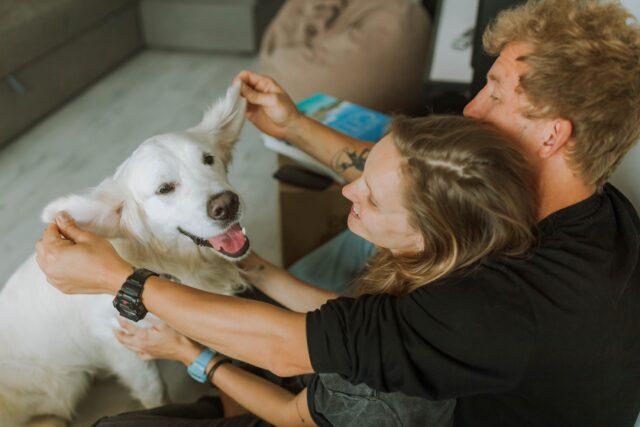
We love hugging our dogs, kissing their faces, and looking directly into their eyes. But do they understand these gestures the same way we do?
According to Clive, humans and dogs have developed an incredible ability to understand one another despite being very different species.
Dogs can recognize many of our affectionate gestures, and they often learn our ways of expressing love.
However, communication isn’t always perfect.
For example, some dogs enjoy being hugged, while others find it uncomfortable. Hugging isn’t something dogs naturally do with one another, so it’s important to recognize that not every dog experiences physical affection in the same way.
Clive also shares an interesting observation about canine body language.
Humans tend to look at the eyes when trying to understand someone’s emotions. But with dogs, their ears can be particularly expressive.
The position and movement of their ears can tell us a lot about how they’re feeling.
It’s a reminder that loving our dogs also means learning how they communicate, rather than assuming they experience affection exactly as we do.
5. The Science Behind the Love Hormone
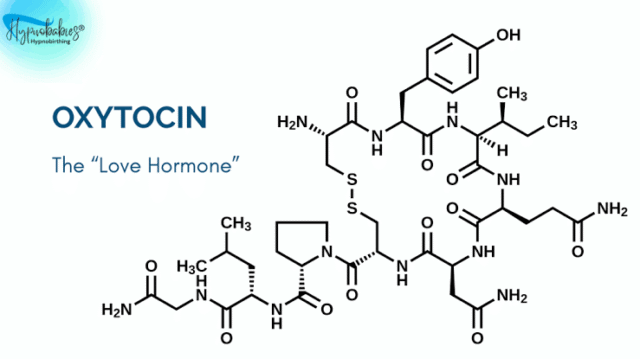
Have you ever experienced that warm, happy feeling when you look into your dog’s eyes?
There’s science behind that, too.
Clive discusses research in which dogs and their humans looked into each other’s eyes. Researchers measured levels of oxytocin, a hormone often associated with bonding and affection.
Interestingly, oxytocin levels increased in both the humans and the dogs.
The increase was greater in humans, but the important finding was that the response happened on both sides.
That means the emotional connection we feel when looking into our dog’s eyes isn’t necessarily one-sided.
It’s another fascinating example of how the human-dog bond works on a biological level.
6. Why Dogs and Humans Became Best Friends
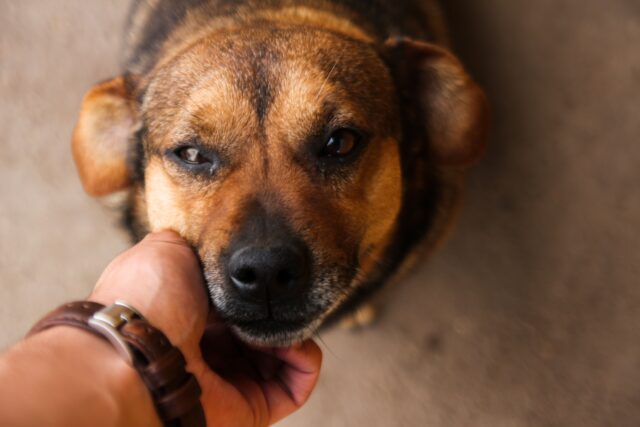
Our relationship with dogs didn’t happen overnight.
Clive takes us back approximately 20,000 years, during the last Ice Age, when humans and certain wolves began living in close proximity.
Wolves started scavenging around human settlements, and over thousands of years, some gradually developed a relationship with people.
As the climate changed and forests became denser, humans faced new challenges when hunting.
Dogs had advantages that humans didn’t. Their superior sense of smell and hearing helped them locate prey that people couldn’t easily detect.
They could move quickly through undergrowth, locate animals, and alert humans to their presence.
Together, humans and dogs developed a partnership that benefited both.
Over generations, that relationship became something much deeper than cooperation. It became one of the oldest friendships between humans and another species.
And today, that connection continues in millions of homes around the world.
7. Do Dogs Really Miss Us When We Leave?

If you’ve ever felt guilty about leaving your dog home alone, this part of the conversation is especially important.
Clive explains that dogs are naturally social creatures. Their affectionate and sociable nature is one of the reasons we love having them around, but it also means they can experience loneliness.
He describes leaving dogs alone for extended periods as one of the most common forms of accidental cruelty in modern life.
Of course, we all have responsibilities. People need to work, run errands, and spend time away from home.
But Clive emphasizes that dogs need companionship, too.
He shares how his own dog, Ginger, has company at home through other family members and even a cat.
He also suggests that companionship doesn’t always have to come from the dog’s primary owner. Friends, other dogs, and familiar people can help provide social interaction.
It’s a valuable reminder that loving a dog means considering its emotional and social needs, not just making sure it has food, water, and shelter.
8. What Dogs Can Teach Us About Love and Moving On
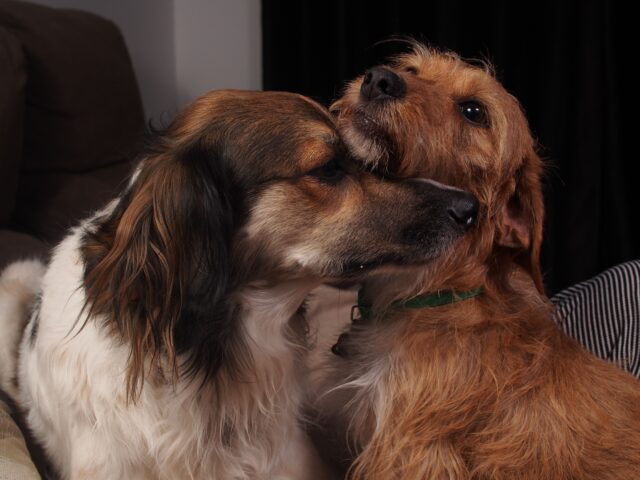
Perhaps the most meaningful part of Sheryl and Clive’s conversation comes toward the end, when they discuss what humans can learn from the way dogs form relationships.
Clive suggests that dogs can teach us to be more trusting and open.
Even when relationships don’t work out, dogs have an incredible ability to adapt and form new connections.
He shares the story of a previous dog who had lived with another family before joining his household. Although he initially wondered whether the dog would miss its former family, she eventually settled into her new home and became part of their family.
The experience led him to an important observation:
“There’s always the possibility of fresh love around the corner.”
It’s a beautiful reminder, especially for anyone who has experienced heartbreak, disappointment, or the end of a relationship.
Moving forward doesn’t mean the love we experienced before wasn’t real. It simply means we can still find happiness and connection in a new chapter.
Dogs don’t necessarily forget the people they’ve loved. But they can adapt, build trust again, and welcome new people into their lives.
And perhaps that’s something we could all learn from them.
What Does a Dog’s Love Teach Us About Human Relationships?
For Sheryl Matthys, the conversation brings the science of canine affection back to something we can all relate to: building meaningful relationships.
Dogs remind us that love isn’t just about what someone gives us. It’s about connection, trust, companionship, and feeling safe enough to be ourselves.
They also remind us that relationships require understanding. Just as we need to learn our dogs’ individual ways of communicating affection, we need to understand the people we welcome into our lives.
For single pet lovers, this is especially meaningful.
A pet isn’t simply an animal you happen to own. It’s part of your everyday life, your routines, and often your family.
That’s why finding someone who understands and respects that bond can make such a difference.
You don’t have to choose between loving your pet and finding romantic love. The right relationship should have room for both.
Watch the Full Conversation with Clive Wynne on fetchlove

So, do dogs really love us?
According to canine science researcher Clive Wynne, absolutely.
And the more we understand the science behind the human-dog bond, the more we appreciate just how special that relationship really is.
From brain activity and oxytocin to companionship and the ability to love again, this conversation offers a fascinating look at why dogs have become such an important part of our lives.
Watch the full episode of fetchlove with Sheryl Matthys and Clive Wynne to hear the conversation and discover even more about the science of dogs and love.
You can also explore Clive’s books, Dog Is Love and The Story of Dogs, and learn more about his research at clivewynne.com.
And if you’re a single pet lover looking for someone who understands your love for animals, discover FetchaDate, the dating app for single pet lovers.
Because the best relationships make room for every member of your family, paws included.
Sheryl
The Pet Lover’s Dating Coach
Episode 1: fetchlove – The Podcast
Watch the first episode of fetchlove, where we explore love, relationships, and the special bond between people and their pets.
Subscribe to our YouTube channel to catch new episodes, expert conversations, and more!