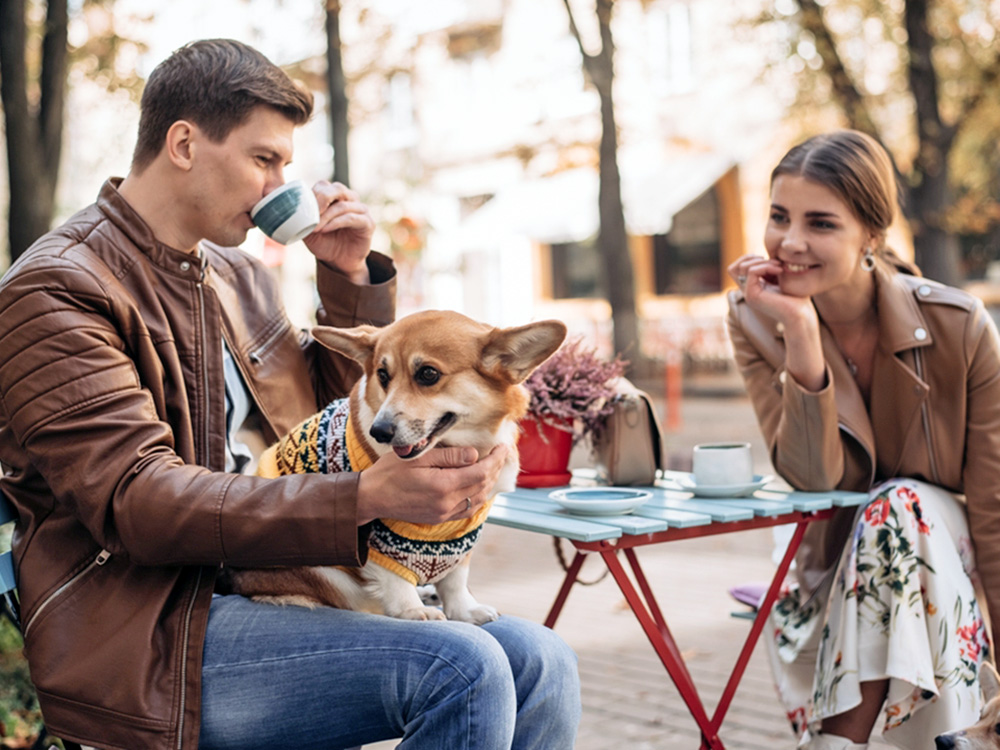
Have you ever brought someone home for a date, only to notice your dog suddenly acting differently? Maybe your normally friendly pet starts barking, hides in another room, or refuses to go anywhere near your new romantic interest.
And if you’re a devoted pet parent, you might immediately wonder: Does my pet know something I don’t?
It’s a question many single pet lovers have asked themselves. After all, our animals are part of our families, and their reactions can influence how comfortable we feel about introducing someone new into our lives.
But can your pet actually judge whether someone is right for you?
On an episode of fetchlove, Sheryl Matthys, pet lovers dating coach and founder of FetchaDate, sits down with Val Heart, a professional animal communicator, healer, and founder of the Heart School of Animal Communication.
With more than 30 years of experience in animal communication, Val shares her perspective on what animals may notice about the people around us, how their behavior can change around a romantic partner, and why we should pay attention before jumping to conclusions.
Here’s what every single pet lover should know about their animal’s reactions to a new date.
1. Can Your Pet Sense Whether Someone Is Good for You?
Have you ever felt like your pet knew exactly how you were feeling, even before you said a word?
According to Val, animals are incredibly sensitive to changes in their surroundings and in the people they spend time with.
She explains that pets notice things like body language, voice, scent, tension, and changes in our nervous systems. They may also respond to the emotional dynamics between us and the people we’re dating.
This means your pet might react to something about your date that you haven’t consciously noticed yet.
Val shares an experience from her own dating life involving her dog, Einstein, who was very vocal and demonstrative about the men he liked and disliked.
Through her animal communication practice, she says Einstein gave her information about certain men’s intentions and trustworthiness that she didn’t know at the time.
Her advice?
If your pet seems to notice how you feel around someone before you do, pay attention.
Of course, this doesn’t mean every animal can accurately determine someone’s character. But their reactions can encourage us to look more closely at how we feel around a potential partner.
2. Signs Your Pet Might Be Uncomfortable Around Your Date
Not every pet will react to an unfamiliar person in the same way.
Some might become unusually quiet, while others may make their feelings very obvious.
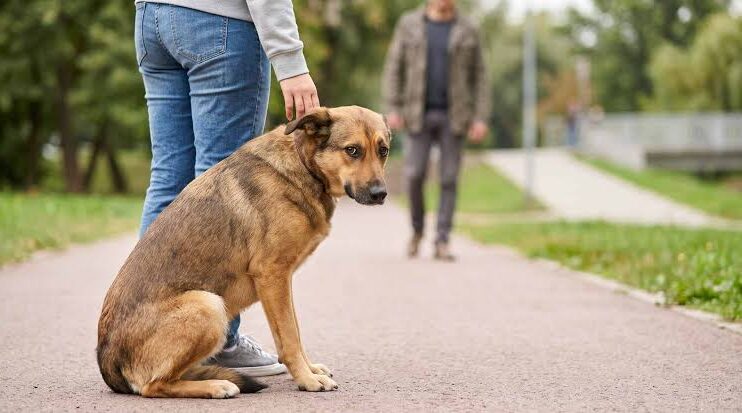
Val describes several behaviors that pets may display when they’re uncomfortable around a romantic partner:
- Avoiding the person or hiding in another room
- Getting between you and your date
- Barking, growling, or staring
- Refusing to be touched by the person
- Becoming unusually clingy
- Displaying sudden changes in their normal behavior
These reactions can be surprising, especially when your pet is normally friendly and affectionate.
However, Val makes an important distinction: Animals aren’t perfect moral detectors.
A pet’s negative reaction doesn’t automatically mean someone is a bad person.
There could be several reasons behind the behavior, including the animal’s personality, previous experiences, sensitivity, or even jealousy.
Val emphasizes that behavior is information, not a verdict.
The takeaway: Pay attention to changes in your pet’s behavior, but don’t immediately assume the worst about your date. Observe what’s happening before deciding what it means.
3. Does Your Pet’s Breed or Species Affect How They React to Your Date?
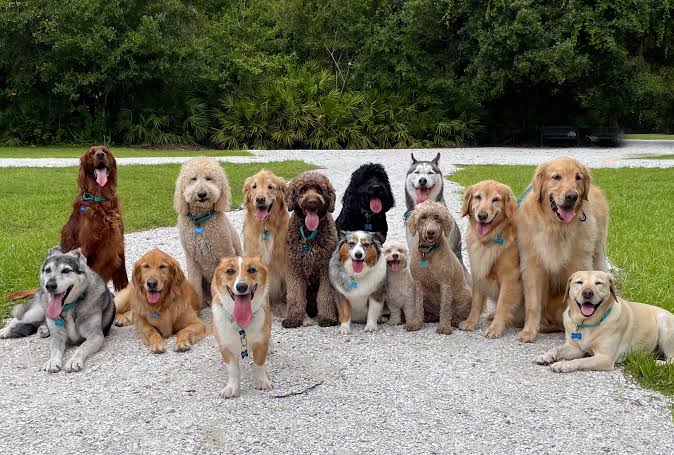
Some people believe dogs are naturally protective, while cats might be more independent or selective about the people they allow into their space.
But is your pet’s reaction really determined by its breed or species?
Val explains that breed and species can influence behavior, but she recommends looking at the individual animal first.
Every pet has its own history, temperament, and sensitivity.
For example, some animals are naturally social butterflies who seem to love everyone they meet. Others may be more reserved and prefer spending time with only a few familiar people.
Some pets may also become jealous when their favorite human starts giving attention to someone new.
That’s why a slow introduction or an initially distant reaction doesn’t automatically mean your new relationship won’t work.
Your pet might simply need more time to adjust.
The takeaway: Don’t judge your pet’s reaction based solely on its breed or species. Understand its individual personality and give it time to become comfortable with someone new.
4. Why Your Pet Might React to Your Feelings Before You Do
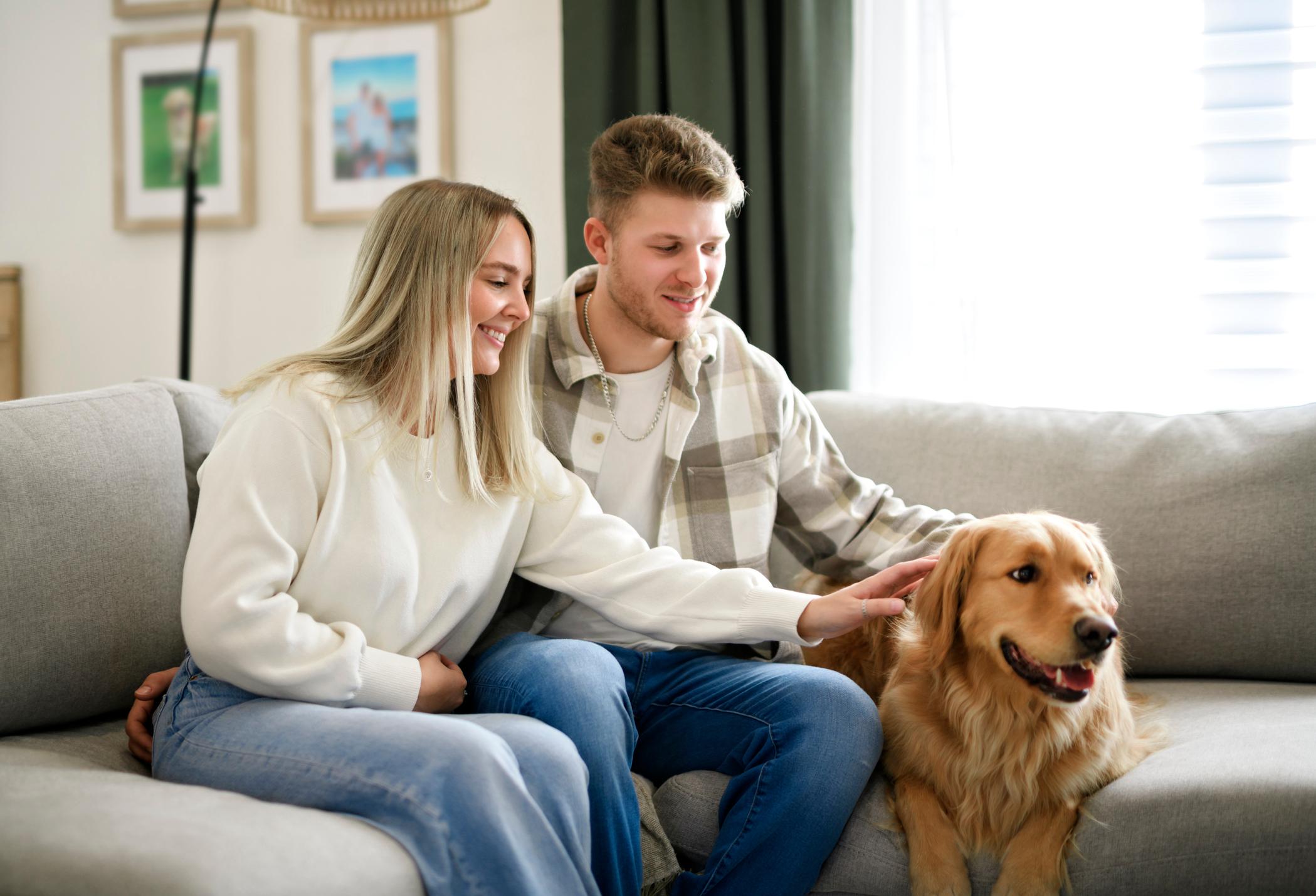
Here’s something particularly interesting from Sheryl and Val’s conversation: Sometimes, our pets may be responding not only to the person we’re dating but also to how we feel about that person.
Val describes what she calls the human-animal body-mind connection.
According to her, animals are highly aware of their favorite humans and may respond to emotional changes that we haven’t consciously recognized ourselves.
During the interview, Sheryl shares a funny experience involving her own dog.
She once had a guest coming over whom she admittedly wasn’t particularly happy about. Before the guest even arrived, her dog unexpectedly peed on the air mattress Sheryl had prepared for that person.
Sheryl wondered whether her dog had picked up on her feelings about the unwanted visit.
Val explains that pets can be protective of their humans and their living spaces. If they sense that their person feels uncomfortable or unsafe, they may respond by trying to create distance from the unfamiliar individual.
It’s a fascinating reminder that our pets pay attention to much more than we sometimes realize.
The takeaway: Before blaming your pet for acting strangely around someone, consider your own feelings, too. Your discomfort might be influencing how your animal responds to the situation.
5. How Can You Understand What Your Pet Is Trying to Tell You?
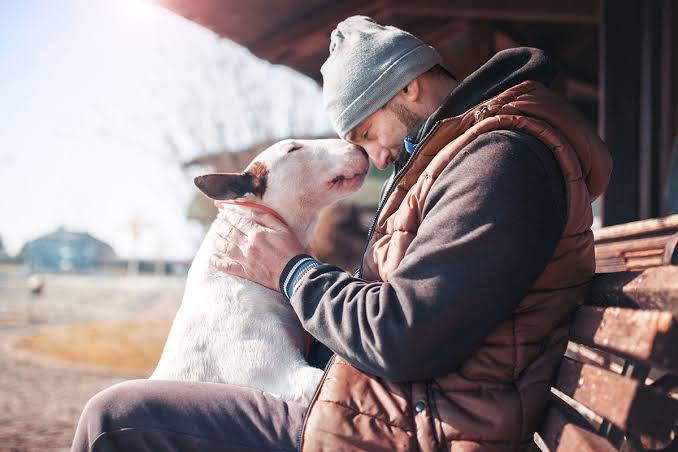
Not everyone believes they can communicate with animals beyond reading their body language and observing their behavior.
But Val has built her work around animal communication, which she describes as an intuitive and telepathic connection between humans and animals.
She explains that, through the intuitive abilities she teaches, people may receive messages through images, words, feelings, or sensations.
For example, she describes receiving mental images of an animal’s empty food bowl or a squirrel in a tree.
She also explains that some people may experience physical sensations they associate with what an animal is feeling.
Val believes communication with animals should be treated as a conversation rather than an interrogation.
Her approach is based on becoming more present, paying attention, and developing a deeper connection with the animal.
Sheryl also shares her experience with her first dog, Shiraz, a greyhound she jokingly described as psychic.
She remembers moments when Shiraz seemed to anticipate what people were thinking. One example involved a friend thinking about needing their glasses, only for Shiraz to walk into another room, retrieve them, and bring them back.
Val describes experiences like this as examples of the intuitive connection she believes animals can have with humans.
While these ideas reflect Val’s personal approach to animal communication, her broader message is worth considering: Building a better relationship with your pet starts with paying closer attention to its behavior and needs.
6. Observe First, Interpret Second: How to Read Your Pet’s Signals
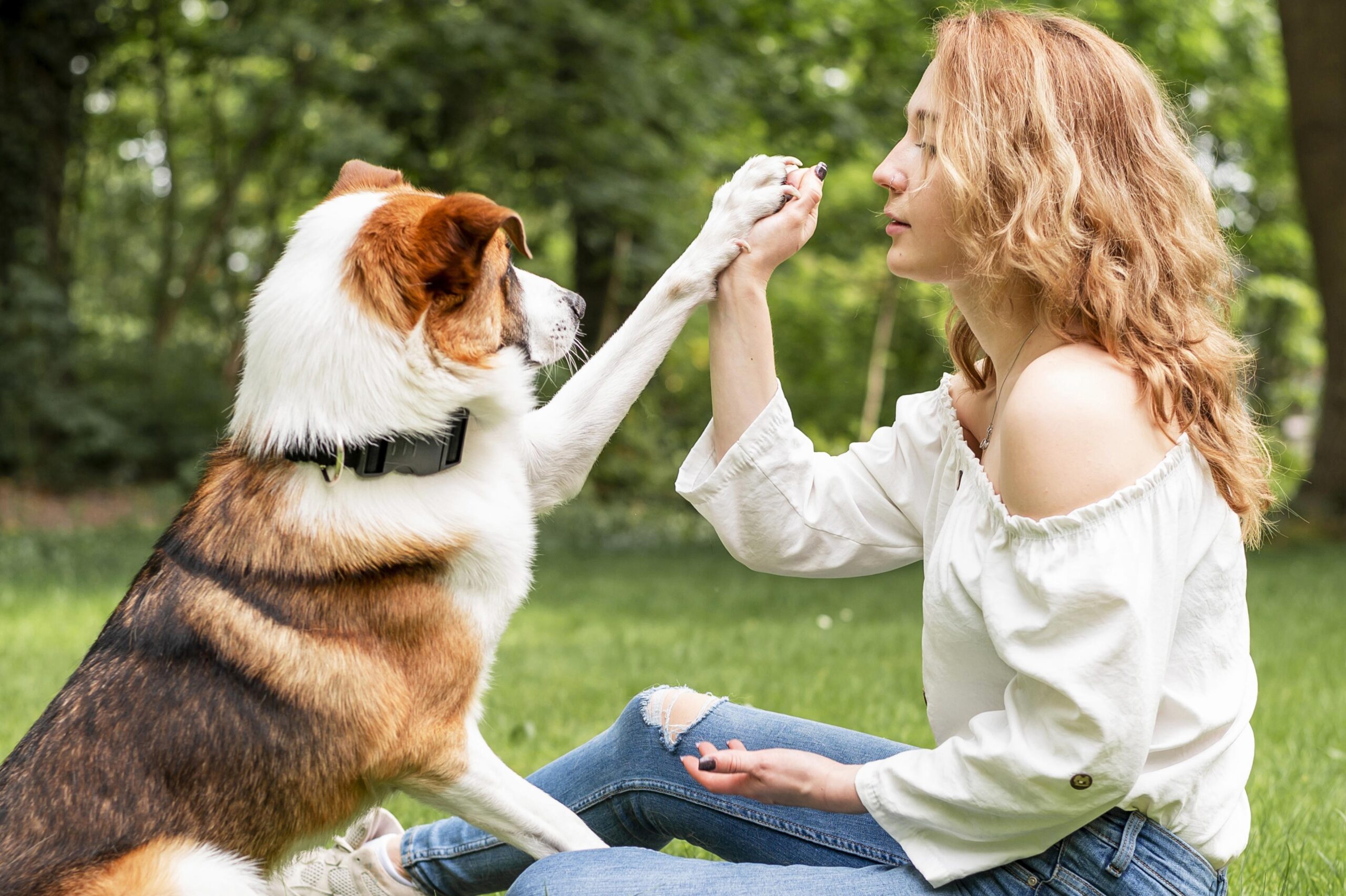
So what should you do when your pet doesn’t seem to like someone you’re dating?
Val offers a simple but useful approach: Observe first, interpret second.
Instead of immediately deciding that your dog or cat dislikes your date, start by looking for patterns.
Ask yourself:
- Is this behavior new or has my pet always acted this way?
- Does it happen only when this particular person is around?
- What happened immediately before the behavior?
- Has anything else changed in my pet’s environment?
- Does my pet behave differently when spending time with this person without me?
Val suggests giving your pet and your date an opportunity to interact without constantly directing the situation.
After all, your pet and your romantic partner are developing a relationship of their own.
It’s important to see how they respond to each other naturally.
She also emphasizes that you shouldn’t immediately invent an explanation for your pet’s behavior. Instead, pay attention, observe, and try to understand what’s happening.
The takeaway: Your pet’s reaction can be useful information, but context matters. Look for consistent patterns rather than making decisions based on one unexpected behavior.
7. How to Introduce Your New Dating Partner to Your Pet
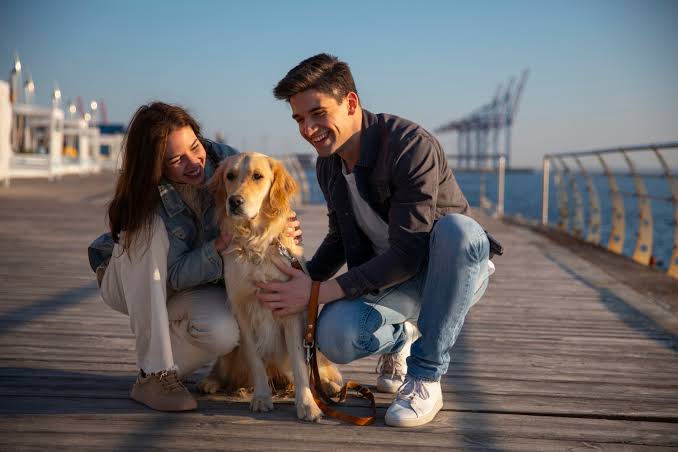
Introducing a new romantic partner to your pet can be exciting, but it also requires patience.
You might be hoping they’ll become best friends immediately. However, your pet may need more time to accept someone new in its space.
Val recommends keeping the first meeting relaxed and low-pressure.
Here are some of her suggestions:
Talk about your pet before the introduction.
Discuss your expectations, hopes, and concerns with your date before they arrive. This gives both of you an opportunity to understand how to make the introduction more comfortable.
Let your pet approach first.
Don’t force your animal to interact with someone new. Allow it to approach when it feels ready.
Avoid forced physical affection.
Don’t insist on petting, hugging, staring, or face-to-face contact. Your pet should have the freedom to decide how much interaction it wants.
Give your pet an exit.
Make sure your animal has somewhere to retreat if it becomes overwhelmed. Never trap it in a situation where it cannot get away.
Be patient.
Val reminds listeners that trust has to be earned. You shouldn’t expect your pet to immediately love someone just because you do.
She also shares a specific tip for people with small dogs: Avoid holding your dog high near your face or chest during an introduction. Instead, keep the dog lower around your waist and allow it to have its own space.
The goal is to create a calm environment where everyone can become comfortable with one another.
8. What Can Your Pet Notice About Your Date That You Might Be Ignoring?
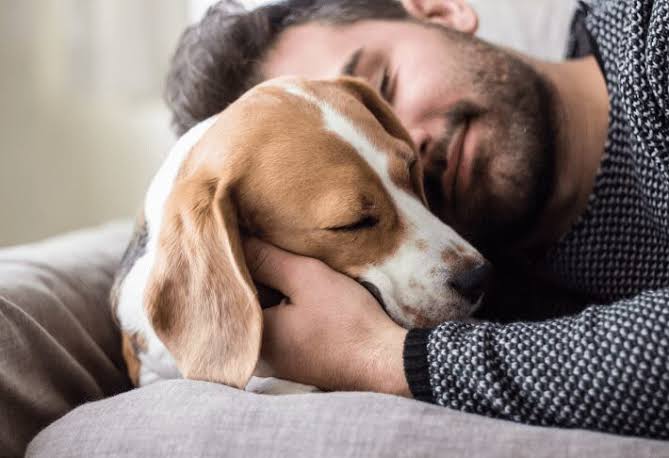
When we’re attracted to someone, it’s easy to focus on the excitement of a new relationship.
We might overlook certain behaviors, ignore our discomfort, or give someone the benefit of the doubt even when something doesn’t feel quite right.
Val believes animals can sometimes pick up on things that humans overlook.
She explains that animals may notice emotional changes, intentions, and even health-related changes in people.
However, she also makes it clear that your pet isn’t a psychic lie detector.
Instead, she describes animals as potential sources of feedback that can encourage us to pay closer attention.
This is particularly relevant when you’re getting to know someone new.
You don’t know everything about a person after one or two dates. Their actions over time will tell you much more than their words alone.
Your pet’s reaction might give you another reason to slow down, observe, and consider how you feel around that person.
The takeaway: Don’t ignore your instincts, but don’t rely entirely on your pet’s reaction either. Look at the person’s behavior, how they treat your animal, and how comfortable you feel around them.
What Relationship Advice Would Your Pet Give You?
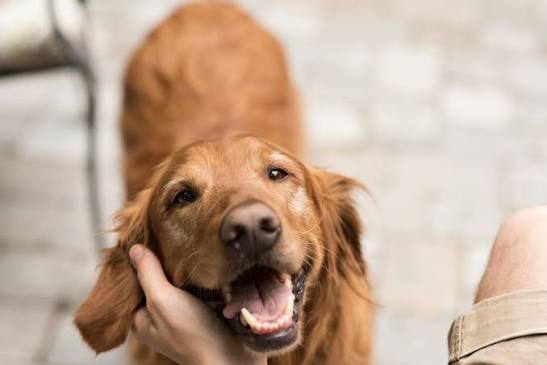
Toward the end of the conversation, Sheryl asks Val a particularly interesting question: If our pets could give us one piece of relationship advice, what would they want us to hear?
Val’s answer is simple but meaningful.
She encourages people to pay attention to how they feel when they’re with someone.
Are you breathing deeply and easily? Do you feel relaxed, comfortable, and safe? Or are you constantly tense and waiting for something to go wrong?
She explains that animals are particularly good at noticing what’s happening beneath the words.
Her advice is to choose someone with whom both you and your pet can feel safe and comfortable.
It’s not necessarily about finding someone your pet loves immediately. It’s about finding a person who respects your relationship with your animal and is willing to build trust over time.
For single pet lovers, that’s an important distinction.
Your pet doesn’t need to become best friends with every person you date. But your romantic partner should understand that your animal is part of your family.
And you shouldn’t have to choose between the two.
Watch the Full Conversation with Val Heart on fetchlove

Can your pet judge your date?
According to professional animal communicator Val Heart, our animals may notice far more about the people around us than we realize.
From changes in body language and emotional responses to unusual behavior during introductions, our pets can give us reasons to pay closer attention to the relationships we bring into their lives.
But perhaps the biggest lesson from this conversation is that building a relationship takes patience, trust, and understanding.
That applies to our pets just as much as it does to the people we date.
Watch the full episode of fetchlove with Sheryl Matthys and Val Heart to hear more about animal communication, pet behavior, and what your furry family members might be telling you about your love life.
You can also learn more about Val’s work at Heart School of Animal Communication, where you can download her free ebook, Learn How to Talk with Animals.
And if you’re a single pet lover looking for someone who understands that your animal is part of your family, discover FetchaDate, the dating app for single pet lovers.
Because the right person won’t just make room for you. They’ll make room for your pet, too.
Sheryl
The Pet Lover’s Dating Coach
Episode 3: fetchlove – The Podcast
Watch the first episode of fetchlove, where we explore love, relationships, and the special bond between people and their pets.
Subscribe to our YouTube channel to catch new episodes, expert conversations, and more!